
Recounting the untold stories of breast cancer patient experiences
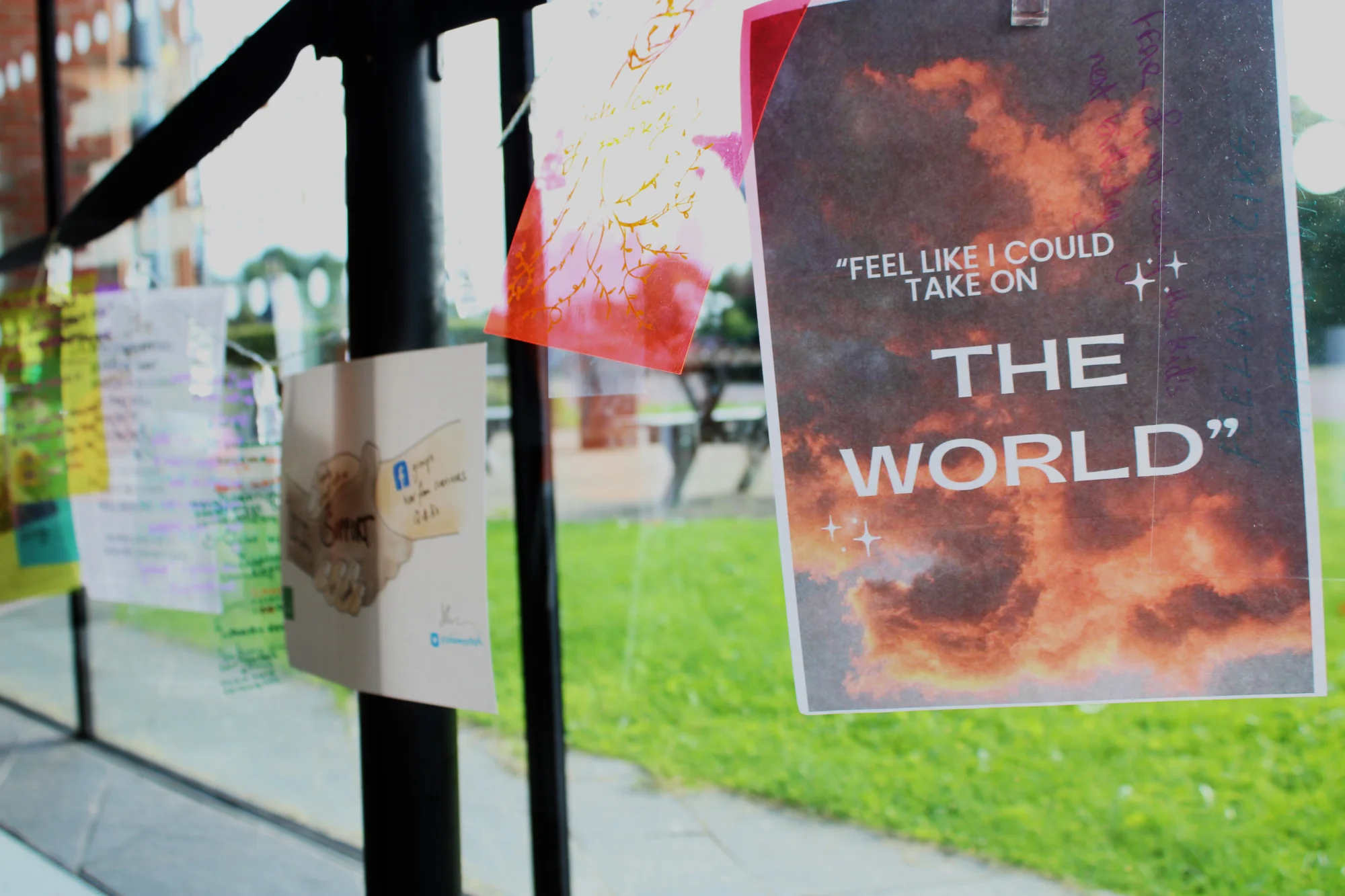
We devised a three-part storytelling workshop, about raising awareness of the patient lived experience following a breast cancer diagnosis, breast cancer research activities undertaken by researchers, and the approach used by multidisciplinary healthcare teams in the management of breast cancer, using storytelling as a tool.
Senior Lecturer in Translational Pharmaceutics
Credits
The Team
- Dr Zahra Rattray
- Mrs Alison Lannigan
- Dr Nicholas Rattray
- Dr Margaret Cunningham
- Dr Susan Chalmers
- Dr Yvonne McFadden
- Ms Allison Galbraith
- Patient Participants
PhD Researchers
- Miss Domenica Berardi
- Mr Karim Daramy
- Miss Patricia Kelly
MPharm Students
- Miss Meghan Hill
- Miss Morag Ross

Hear from Zahra
Dr Zahra Rattray introduces the project, whose goal was to break down the barriers between different stakeholders and the breast cancer journey, be that the patients with breast cancer or clinicians and scientists.

Swipe left and right to view more images



Why storytelling?
It is being increasingly recognised that the collective experiences of the patient at diagnosis and following treatment is significant to their care and quality of life.
Effective communication with the patient
Developing patients’ health history narrative can contribute to a more empathetic and personalized care approach where the patient has a voice, is empowered and involved in their care decisions and where they lived.

Hear from Mrs Alison Lannigan
Mrs Alison Lannigan is a consultant surgeon at NHS Lanarkshire, who was introduced to Zahra through the NHS Lanarkshire Strathclyde Strategic Partnership, beginning the first of many collaborations.
Patients with recent experience of breast cancer treatment
We were keen to talk to patients with their recent experience of breast cancer treatment and patients are very keen to talk about the experience of breast cancer and some less.


Completely inclusive
We’re very grateful to those who responded and subsequently participated so fully in the workshops that we organized.
Hear from Nick
Dr Nick Rattray got involved through the beginnings of an active collaboration within the NHS Lanarkshire University of Strathclyde Strategic Partnership.

Swipe left and right to view more images

Active research portfolio for breast cancer
We do a lot of research looking into cancer and looking into the underlying bimolecular causes of different types of cancer, including breast cancer.
Benefits of the strategic partnership
There’s a really good opportunity for us to be able to take the cell models and the work that we began in the wet lab, and try and to translate that across to experts within the surgical field.


Hear from Dr Margaret Rose Cunningham
Margaret is a Senior Lecturer at Strathclyde Institute of Pharmacy and Biomedical Sciences (SIPBS), researching the toxic effects of anti cancer drugs in the heart.
Gaining insight into unique perspective of patients
From a scientific perspective, I found it was very rare to appreciate the challenges taken from the lives of those that were affected most by cancer.

Thought-provoking question
We had the opportunity as scientists to share our research with the group, which was really mutually beneficial because it really led to that thought-provoking question of why we actually do the research that we do.
Hear from Allison Galbraith
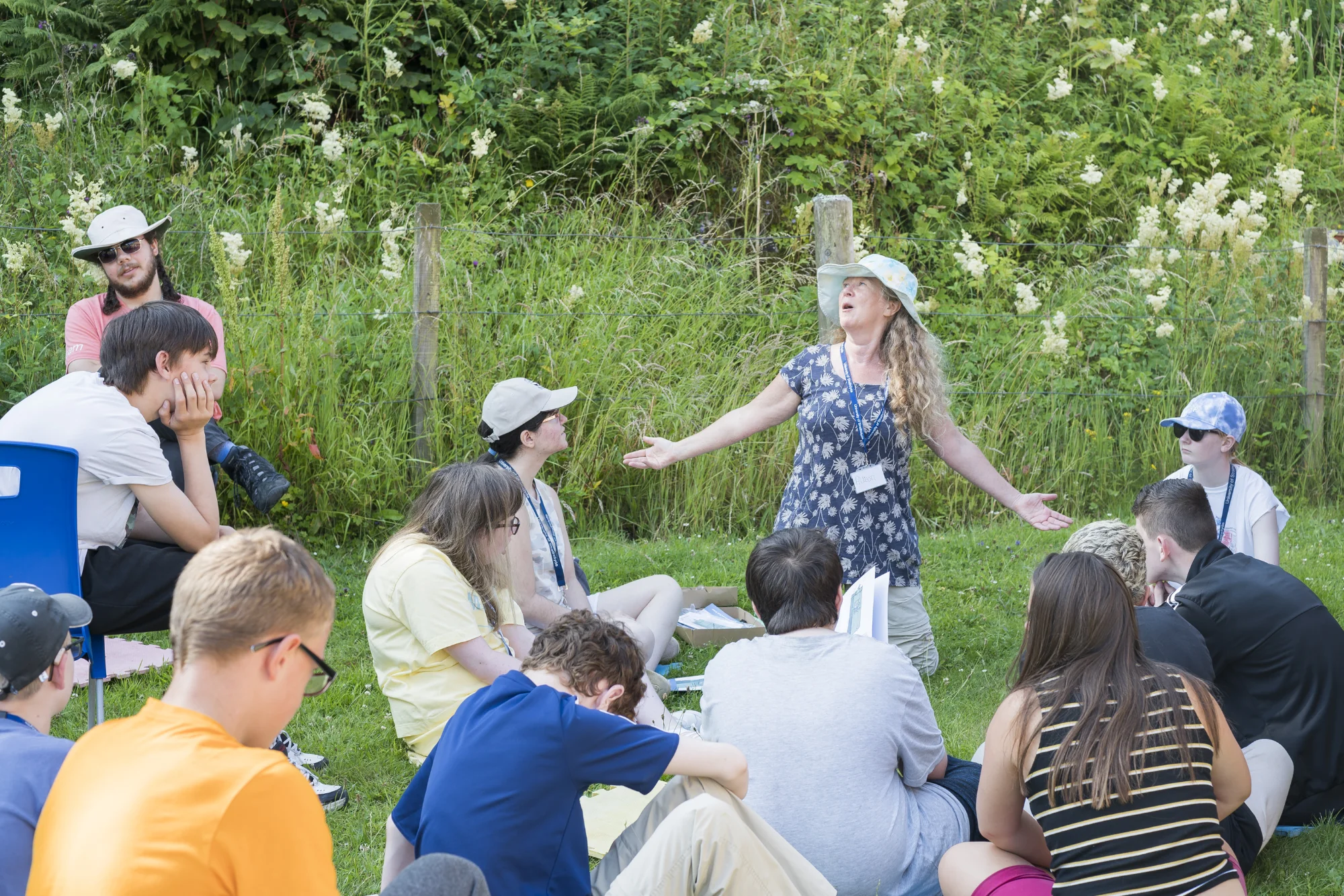
Allison is a professional storyteller and folklorist, helping people tell their stories. She got involved after having worked with Margaret on several occasions.

Swipe left and right to view more images

Confident and able to tell their story
There was a staged approach to collecting the participants stories and this was to help people feel relaxed and confident and able to tell their story in a way that was both meaningful to them and to the listeners.
Warm up exercises so people are relaxed and happy
Some of the warm ups that we used to help people share their stories and craft their stories were telling personal stories about themselves, things that they were relaxed and happy to tell us.

Workshop on objects that mean a lot
One of the workshops asked people to bring an object that had personal meaning to them during their breast cancer journey.
Swipe left and right to view more images


One patient shares their story
Listen to a patient sharing about how they feel about having a CT scan, and the object that means a lot to them.
An extremely lucky lady
Another patient shares how she feels about how she was diagnosed with breast cancer.

Digital sketch notes
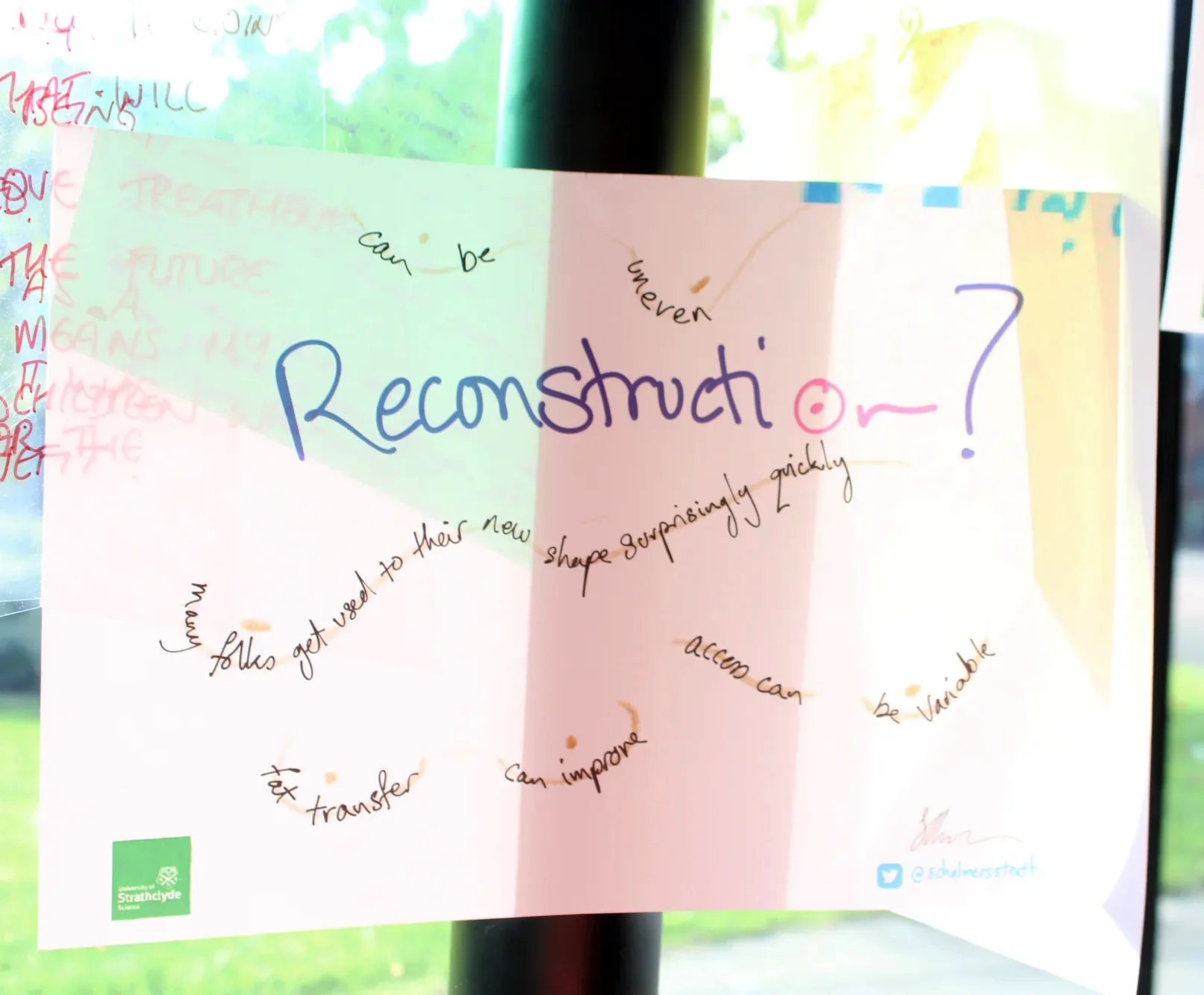
Dr Susan Chalmers made some vibrant digital sketch notes during the workshops, visually summing up people’s experiences.
Swipe left and right to view more images


Hear from Susan
Susan is a senior lecturer at Strathclyde Institute of Pharmacy and Biomedical Sciences, looking at the cells of the brain and how these sometimes go wrong.
Pulling together thoughts and ideas
Susan enjoyed pulling together some of their ideas and thoughts about various treatments or stages of their disease. And then she also tried to capture some of the emotions of the journeys of these patients.

Question cards
One of the workshops involved a series of question cards.
Swipe left and right to view more images



Hear from Yvonne
Dr Yvonne McFadden from the Scottish Oral History Centre is an oral historian working in gender histories.
Women don't value their own stories
What we find when we interview women is that they’re not confident and they don’t value their own stories. And this is especially true in health narratives where the biomedical model is gendered.


Hear from students: Morag
Morag is a Masters of Pharmacy Dissertation student – hear how she’s excited to be involved in this field.
Hear from Karim
Karim Daramy is a PhD student, and a student volunteer on the project. Listen him talk about the benefits of the project.
A big thank you
We thank all the patients who shared their lived experiences with us and dedicate this to them and other patients with breast cancer.