
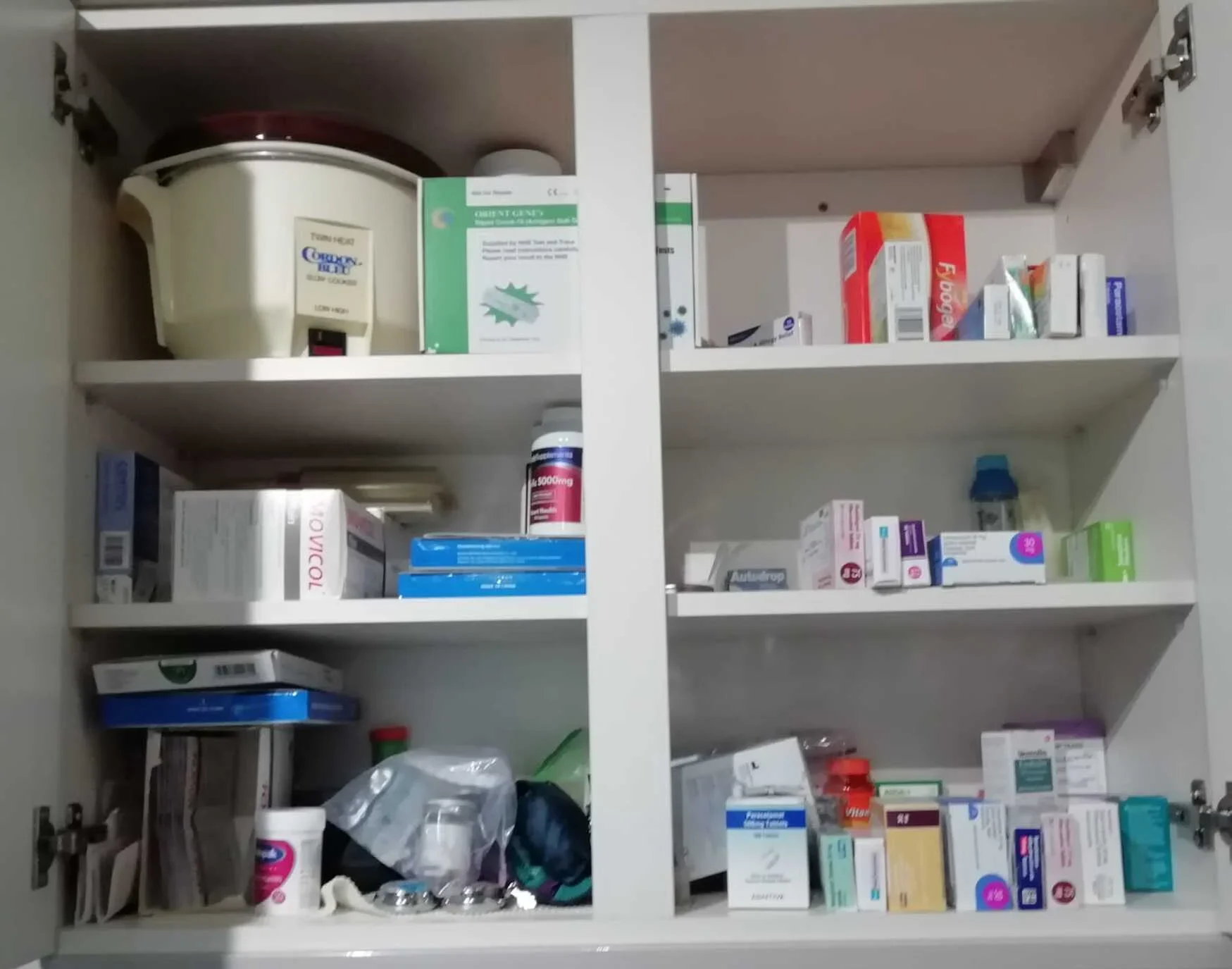
Capturing how older adults manage their medications at home
In this project we invited older adults with sensory impairment to tell us (and show us) their stories about challenges they face and strategies they use to manage their medicines at home.
Strathclyde Institute of Pharmacy and Biomedical Sciences

Credits

This project is called SIPA2, and is funded by the Dunhill Medical Trust




People living longer creates challenges
Because science and medicine improves all the time, people are living much longer. This means it is very likely that as an older adult we will have multiple different medicines to keep us healthy at home.
Difficulty using medicines
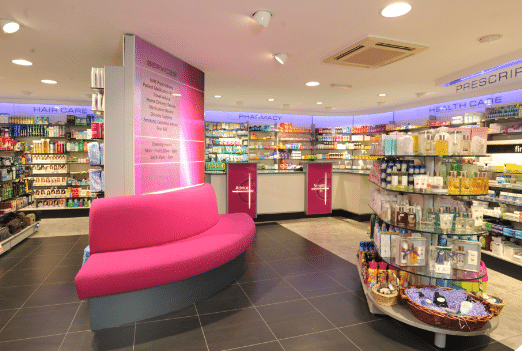
People face challenges trying to make sure they order and pick up the right medicines and then at home organise them and take the right ones at the right time.


Listen to Prof. Margaret Watson
In an interview on RNIB Connect Radio, Professor Margaret Watson explains more about the project and its aims.
Sensory impairment and medicines
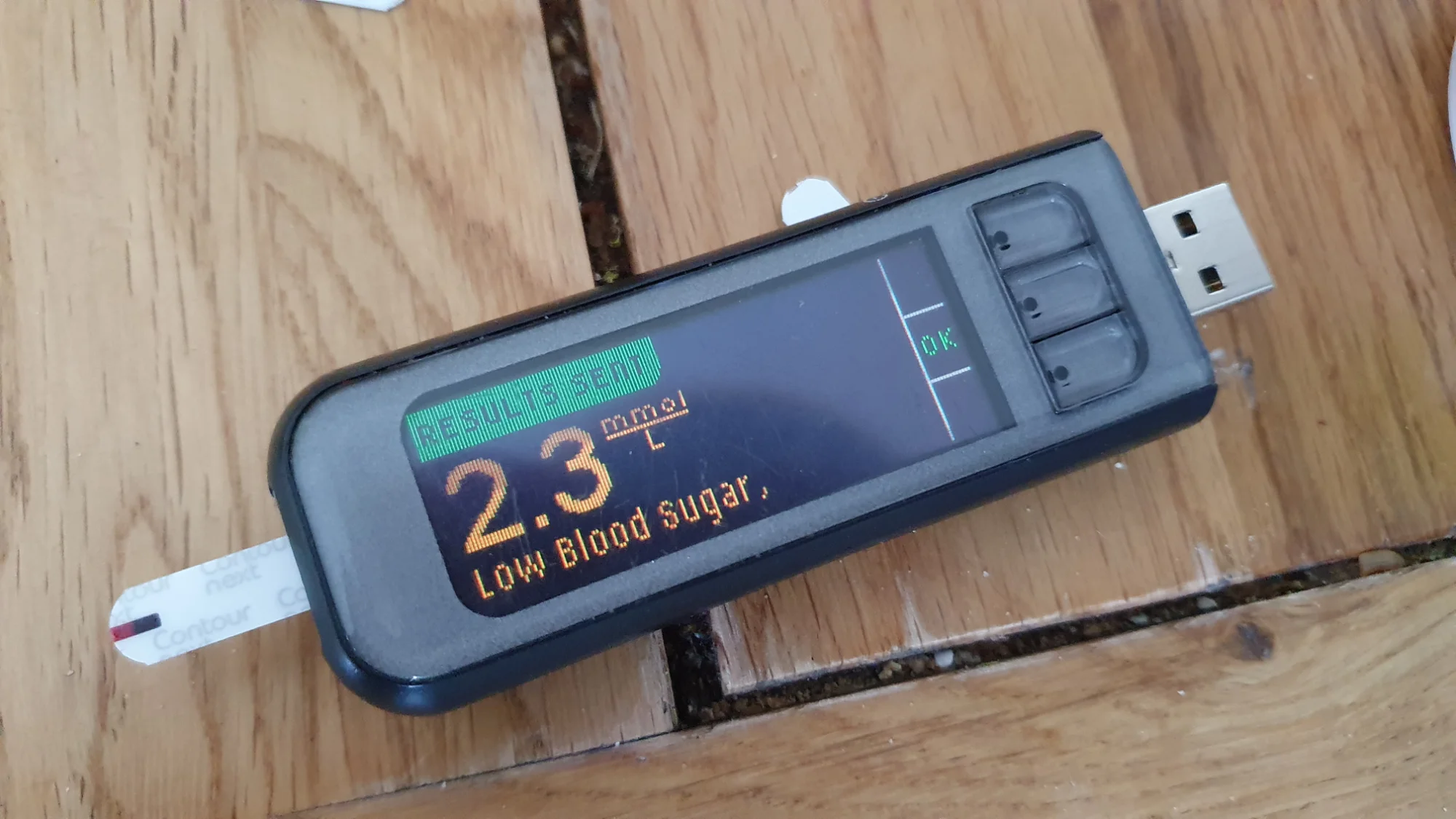
Older adults with sensory impairment face even more challenges as many medicines and their packaging are small, all the same shape/colour, hard to see or read or take the right way to make sure they work.

Swipe left and right to view more images

Personal strategies
People often pop pills into little dishes around the home – in this case someone has chosen a coloured dish so that she can see the white pills better (she has a visual impairment).
Adding notes, writing or elastic bands
People showed us all sorts of ways they organise medicines, like pill boxes. Some people add notes, or writing, or elastic bands to packages or boxes to help them see or feel the pills they need to take.


Personal ways of organising medicines
Participants used stories, text, notes and photos and videos to show us how they order and pick up their medicines, how they organise them in ways personal to them that helped them remember when and what to take.
More from Professor Margaret Watson
Professor Watson describes how volunteers record their daily habits and what the findings of the study can be used for.


What the project has produced
Peoples’ real needs and lived experience have been used to produce a product and service specification for better future solutions (technology, policies, practices) to help people manage medications in a safe and effective way.